In this episode, Anna explores a newly published study investigating the relationship between light exposure patterns and symptom severity in people living with ME/CFS. Rather than focusing on light as a treatment, the research highlights the potential role of circadian rhythm and how consistent daytime light, alongside reduced evening light exposure, may be associated with […]
In this episode, Anna is joined by Charlotte Wightman for an honest conversation about chronic illness, motherhood, recovery and what it means to build a life that feels sustainable — rather than constantly trying to do recovery “perfectly.”
Charlotte shares what it was like navigating her own health while also being a mum, including the inevitable tension between what she felt she should be doing for her recovery and what family life actually allowed.
They also explore some of the different pieces that became important along the way. Charlotte talks about discovering sleep apnoea, the work she did with Anna on her digestive health which allowed her to come off her adrenal support she had for a long time been dependent on.
A recently published study investigating Hyperbaric Oxygen Therapy (HBOT) in people living with ME/CFS has generated considerable interest within the chronic illness community.
But what did the research actually find?
In this episode, Anna takes a balanced look at the study, exploring both the encouraging findings and the important limitations. Whilst the results suggest that HBOT may improve physical functioning, fatigue, pain and cognitive performance in a subset of people with ME/CFS, the study was observational and should be interpreted with appropriate caution.
A personal and practical episode exploring the 72 hours after Anna’s longest hike since illness, and what late-stage recovery really involves when rebuilding physical capacity safely and sustainably.
Creatine is often associated with the fitness industry and sports performance — but emerging research is now exploring whether it may have relevance far beyond the gym. In this episode, Anna explores the current evidence surrounding creatine supplementation in Long Covid and fatigue-related conditions, including its potential role in energy metabolism, muscle function, cognitive symptoms, […]
A personal and reflective episode exploring nervous system recalibration, Somatic Experiencing concepts, and what happens when recovery allows emotions and sensations to become more accessible again.
In this episode, Anna breaks down a recent study exploring brain neurochemicals in Long COVID and ME/CFS — with a particular focus on glutamate and its potential role in symptoms, particularly physical capacity. Rather than simply summarising the research, Anna walks you through what these findings may actually mean in practice. We’ll explore how glutamate […]
In this episode, Anna is joined by Lexi Boreham, who shares her experience of living with and recovering from Long Covid.
This conversation gently explores the reality of rebuilding a life alongside ongoing symptoms — from the early confusion of becoming unwell, to navigating setbacks, identity shifts, and the emotional impact of recovery.
Together, they talk about the often-unspoken parts of the journey, including loneliness, the role of community, learning to set boundaries, and what it means to move forward when life looks very different to before.
They also explore the complexities of breakups and dating during recovery — how illness can shape identity, relationships, and self-perception, and the process of learning to trust yourself and others again.
This is an honest, grounded conversation about the messy middle of recovery — and the gradual, often quiet process of rebuilding a life that feels meaningful, supportive, and your own.
Some people notice that they seem to experience stimulation and stress more intensely than others.
They may feel overwhelmed in busy environments, react strongly to caffeine, or find it difficult to switch off mentally after a demanding day.
Sometimes people encounter the term COMT when exploring genetic testing and begin to wonder whether this might explain their nervous system sensitivity.
But conversations about COMT online can quickly become confusing — and sometimes unnecessarily alarming.
In this episode, Anna explores what COMT actually does in the body, how it influences the way we process certain stress-related brain chemicals, and why some nervous systems naturally experience stimulation more strongly than others.
Most importantly, we discuss why COMT is not a defect, but rather a pattern of biological sensitivity that can have both challenges and strengths.
There is a stage of recovery that many people reach where life has largely returned to normal.
You may be working again.
Socialising more.
Exercising gently.
Participating in daily life in ways that once felt impossible.
And yet, your system may still experience occasional fluctuations.
Energy might dip after a busy week.
Sleep may become more fragile during stressful periods.
Your nervous system might still feel sensitive to certain types of load.
This stage can feel confusing, because you’re no longer severely ill — but things don’t always feel completely stable yet.
In this episode, Anna explores what she often describes as the fine-tuning phase of recovery.
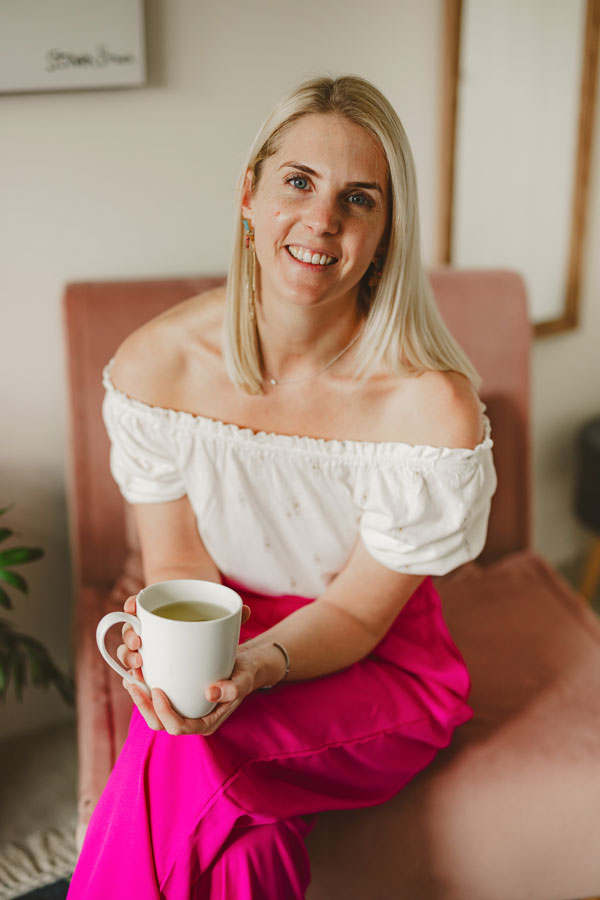
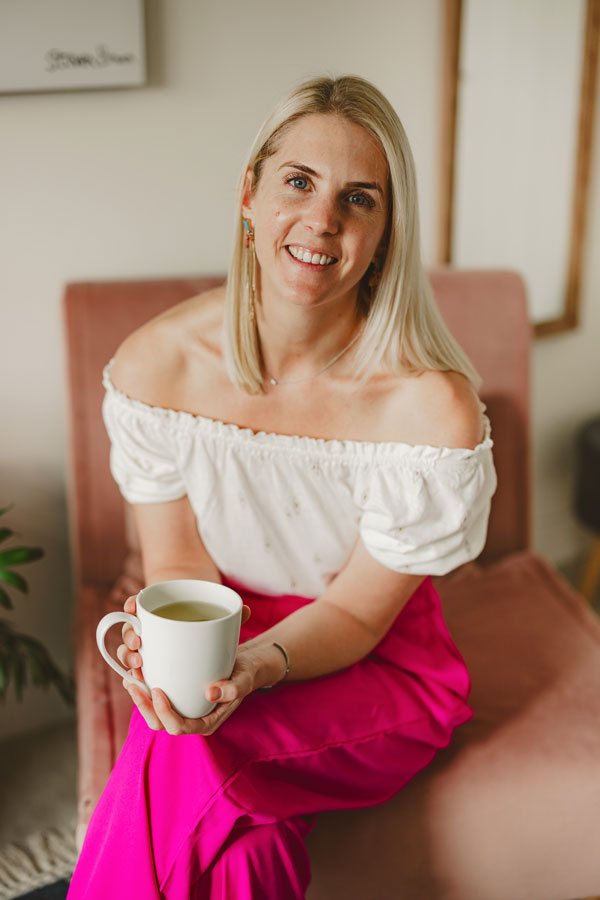
Online business owner since 2014, cat mum of two, ocean, food and chocolate lover, half mermaid, and CFS survivor!
I have more than 15 years experience in the health industry, a Masters Degree in Personalised Nutrition, and I am a fully certified and Trauma-Informed Functional Medicine Practitioner with the Institute of Functional Medicine.
Despite a lifelong interest in health, in 2016 CFS and mold illness turned my life upside down.
Always the achiever, being unwell was not an option I was prepared to settle for. I committed myself to finding out what I needed to be well. It changed me as a person and as a practitioner, and it changed how I run my business.
The fruits of my learnings are a combination of science, somatics, and neural-reprogramming used to help other high achieving entrepreneurial women find their spark again!
Take The Quiz
Ready to finally uncover your biggest roadblock when it comes to your chronic fatigue symptoms? Take the FREE Chronic Fatigue quiz below to start your fatigue recovery journey.
Are you a go-getter that has lost her spark? Join a community of high achieving and driven women seeking more energy, creativity, and purpose through science, somatics and neural-reprogramming.
Optimise and balance your unique physiology
Understand and support your nervous system
Retrain your brain for optimal focus, energy, and aliveness
Nurturing Resilience offers you the opportunity to address both, to whatever degree you need. By supporting your nervous system and physical health, you can build more resilience in your system. And with more resilience comes greater capacity to live life with less crashes, flares and setbacks!